
New Construction Landscaping Mistakes in Naples
What Builders Don’t Tell You
Building or buying a new home in Naples is exciting—but new construction landscaping is where many landscape projects quietly fail or fall short.
Not because builders don’t care, but because landscaping is often treated as a final checkbox, not a system that must survive Southwest Florida’s heat, sandy fill, drainage challenges, and long growing seasons.
After installing—and correcting—hundreds of builder-installed and post-construction landscapes across Naples and SWFL, we see the same mistakes repeated over and over.
Understanding these issues before installation can save years of frustration and thousands in replacement costs.
Quick Summary (TL;DR)
Most new construction landscaping problems in Naples come down to:
Poor soil preparation in imported fill
Drainage ignored until plants start failing
Irrigation designed for speed, not longevity
Plants chosen for price instead of performance
Overcrowding to create “instant landscapes”
These mistakes usually don’t show up immediately—but they almost always surface 12–36 months later.

Mistake #1: Poor Soil Prep in Sandy or Compacted Fill
Most new homes in Naples are built on imported fill, not native soil. That fill is often:
Extremely sandy
Heavily compacted by construction equipment
Low in organic matter and nutrients
What builders don’t tell you:
Plants may look fine for the first year, then decline rapidly once roots attempt to establish.
What this causes
Weak root systems
Nutrient deficiencies
Stunted or uneven growth
The fix:
Soil conditioning, amendment, and root-zone planning must happen before planting, not after decline begins.
Mistake #2: Drainage Is an Afterthought
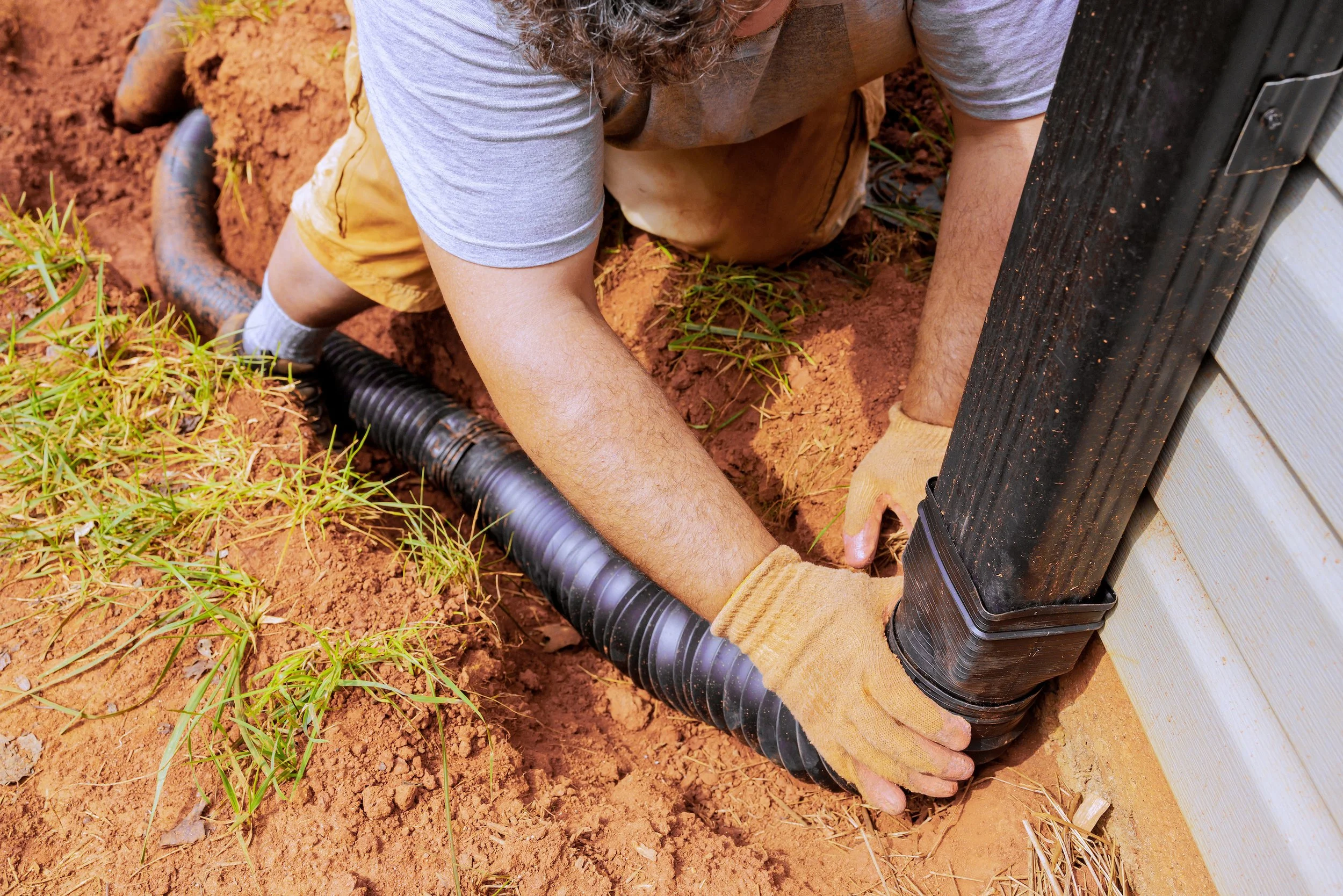
New construction grading prioritizes the structure—not long-term plant health.
Blocked swales, subtle low spots, and poor transitions between turf, beds, and hardscape are extremely common.
What this causes
Root rot
Yellowing hedges
Turf failure along foundations
What builders don’t tell you:
Most “plant problems” we’re called to fix are actually drainage problems.
The fix:
Landscape design must work with site drainage. In some cases, this requires regrading or subsurface drainage before a single plant is installed.
Mistake #3: Irrigation Designed for Turnover, Not Performance
Builder-installed irrigation systems are typically:
Simplified to save time
Poorly zoned
Not matched to plant water needs
Common issues
Shrubs and turf on the same zone
Overwatering low-maintenance plants
No transition from establishment watering to long-term schedules
What builders don’t tell you:
An irrigation system that “turns on” is not the same as one that’s properly designed.
The fix:
Correct zoning, appropriate head selection, and a defined establishment period when planting new plants followed by long-term adjustments.
Mistake #4: Plants Chosen for Value, Not Performance
Builders often select plants based on:
Availability
Speed of install
Cost targets
Not on mature size, spacing, exposure, or irrigation compatibility.
What this leads to
Thin privacy hedges
High maintenance requirements
Uneven growth and premature replacement
What builders don’t tell you:
Replacing failed plants later almost always costs more than choosing correctly upfront.
The fix:
Plant selection must be based on site conditions and long-term performance, not install-day appearance.
Mistake #5: “Instant Landscape” Overcrowding
To make new homes look finished quickly, plants are often installed too close together.
This creates short-term impact—but long-term problems.
What happens later
Roots compete and weaken
Hedges thin at the bottom
Constant pruning becomes necessary
Hardscapes are damaged by aggressive growth
The fix:
Design for year 3–5, not move-in day.
Mistake #6: No Coordination Between Hardscape and Landscape
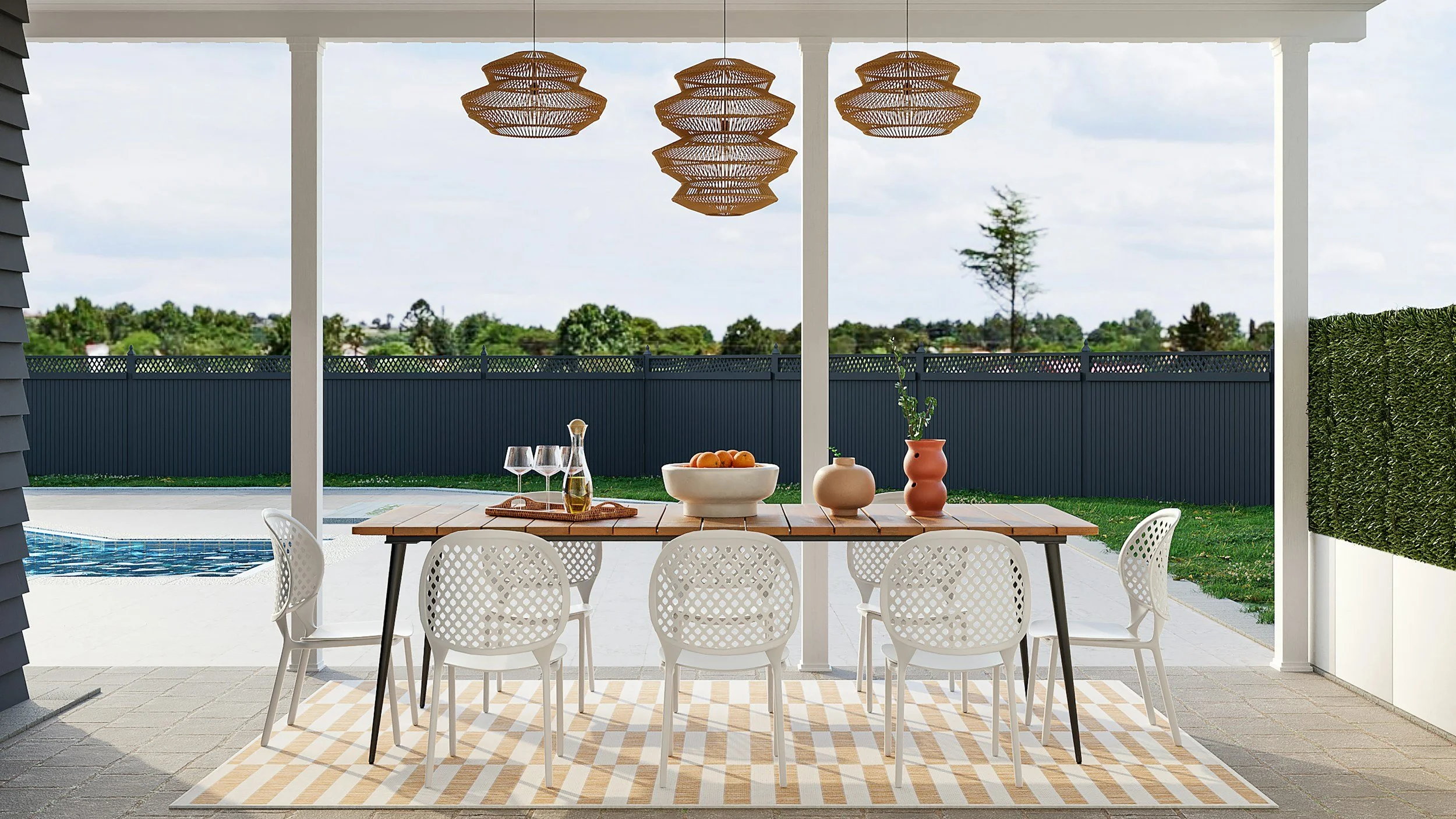
Driveways, patios, pools, and walkways are usually completed before landscape planning.
What this causes
Inadequate bed depth
Limited planting access
Awkward transitions and drainage conflicts
What builders don’t tell you:
Once hardscape is installed, landscape options become limited and expensive.
The fix:
Outdoor living planning and landscape should flow in your future home. Identifying locations of function and focal points of the landscape should balance with the hardscape.
Mistake #7: No Long-Term Ownership or Maintenance Strategy
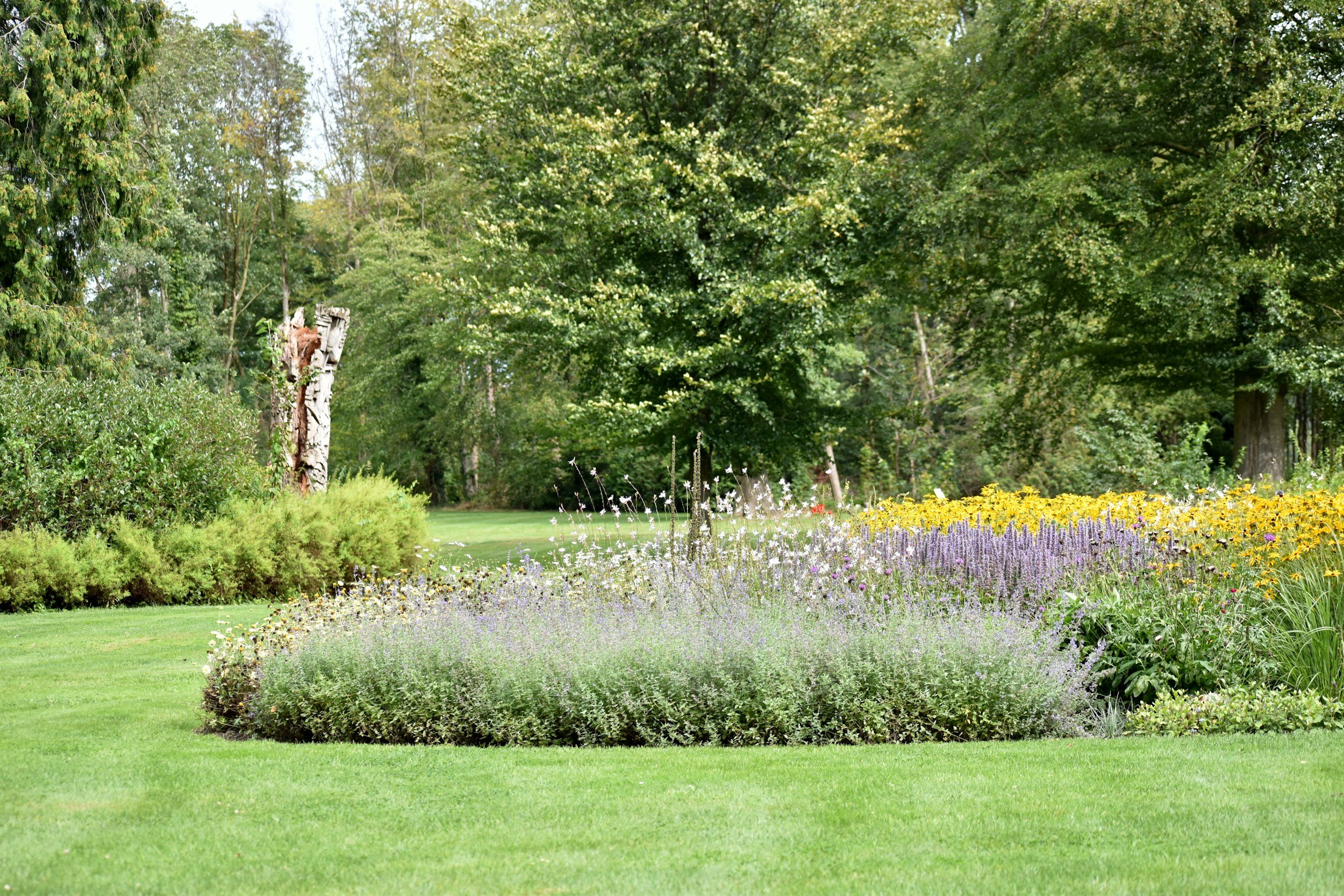
Many new construction landscapes are designed to photograph well, not age well.
Why they fail
No clear pruning plan
No education on irrigation changes
No understanding of seasonal growth cycles
The fix:
Landscaping should be installed with a clear ownership and maintenance strategy, not simply handed off at closing.
The Real Cost of These Mistakes
Most issues don’t show up immediately. They surface after warranties expire, when replacements are fully out of pocket.
In practice, correcting new construction landscaping mistakes often costs significantly more than doing it right from the start.
Contractor Perspective: How to Avoid These Problems
Successful new construction landscaping in Naples requires:
Soil prep suited to imported fill
Drainage-aware grading
Proper irrigation zoning and adjustments
Plant selection based on value, not price
Realistic spacing and growth expectations
When these elements are planned together, landscapes thrive instead of struggle.
Frequently Asked Questions
When should landscaping be planned for a new build?
Ideally the bigger items before hardscape installation begins, and the smaller plants after the home is completed. It also comes down to accessibility to the planter beds and yard.
Can builder-installed landscaping be fixed later?
Yes—but it’s usually more expensive than correcting issues early.
How long does it take for problems to show up?
Most failures appear between 12 and 36 months after installation.
Is new construction landscaping low maintenance?
Not automatically. Maintenance requirements depend entirely on design and plant selection. Maintenance will always be needed for plantings in SWFL.
Do new homes need different irrigation settings?
Yes. Establishment watering differs significantly from long-term schedules.
Planning Landscaping for a New Build in Naples?
Before plants fail or warranties expire, a short site evaluation can prevent years of frustration and unnecessary replacement costs.
👉 Request a consultation with Precision Landscaping & Design to review your plans, site conditions, and long-term goals.
Final Reality Check
New construction landscaping doesn’t fail because homeowners don’t care.
It fails because critical decisions are rushed or skipped under pressure to finish quickly.
Knowing these mistakes upfront puts you back in control.