
Do I Need a Landscape Designer or Architect — or Can I Skip It?
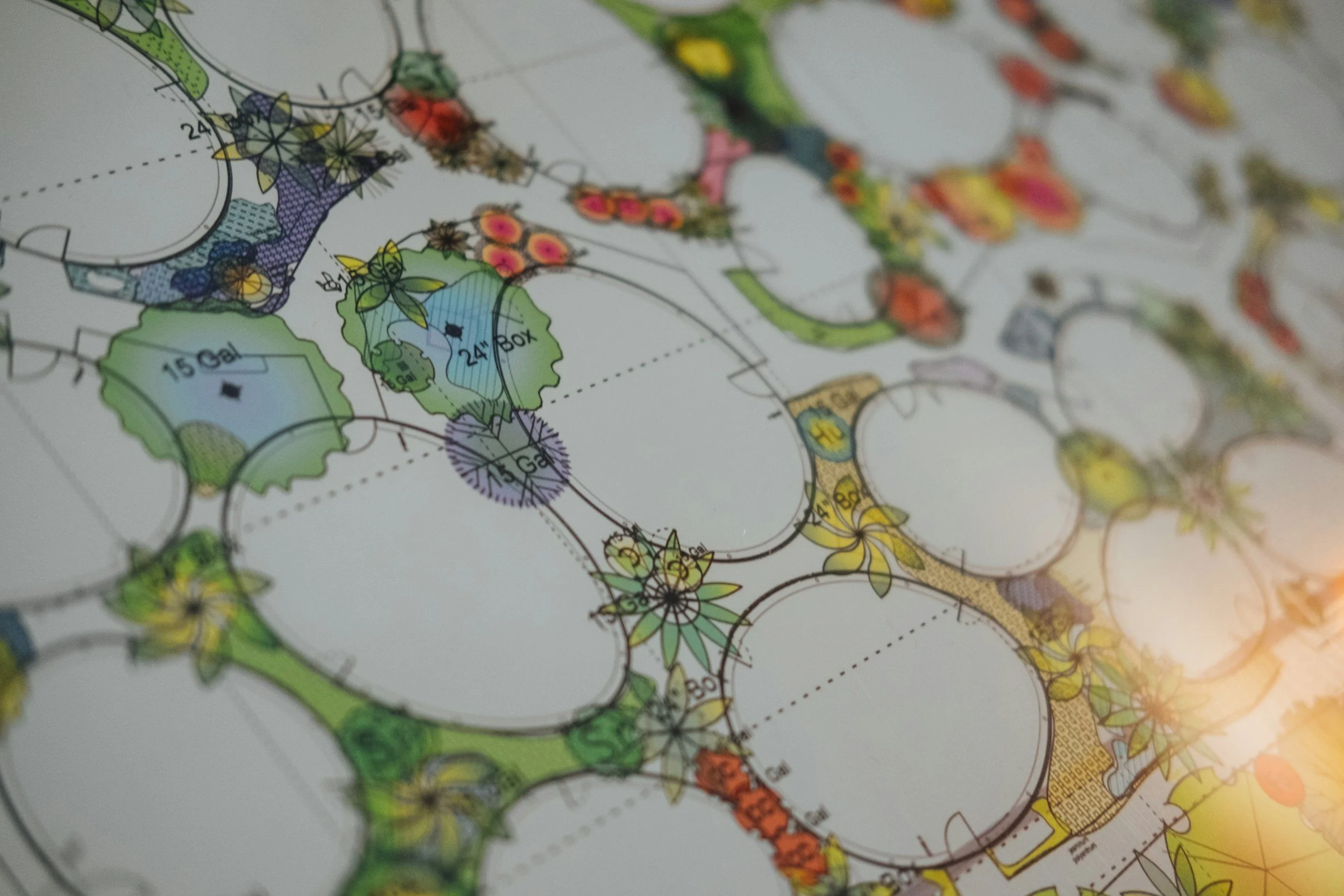
When planning a landscaping project in Southwest Florida, many homeowners ask the same question:
Do I really need a landscape designer or architect, or can I skip that step and just install?
The honest answer depends on the scope, complexity, and long-term expectations for your property. In Naples—where drainage, sun exposure, and architectural standards materially affect outcomes—skipping design can either simplify a project or quietly introduce problems that surface years later.
For homeowners planning a long-term property investment rather than a cosmetic upgrade, understanding the right level of design involvement is critical.
Quick Answer (TL;DR)
Small, straightforward projects can sometimes move forward without formal design
Complex, multi-phase, or high-end projects benefit significantly from professional design
The more permanent the investment, the more design matters
For projects involving privacy screening, drainage, lighting, or hardscape integration, design is rarely optional—it’s risk management.
What a Landscape Designer or Architect Actually Does
Design isn’t just about drawings or plant lists.
On higher-end residential properties, professional design helps:
Translate lifestyle goals into a cohesive plan
Resolve drainage, grading, and circulation early
Coordinate planting with hardscape, lighting, and irrigation
Plan spacing and growth beyond year one
Prevent conflicts between systems before construction begins
In Southwest Florida, design is less about decoration and more about how the landscape performs over time.
When You Can Sometimes Skip Formal Design
There are scenarios where full design documentation may not be necessary.
Skipping design may be reasonable if:
The scope is limited (plant refresh, small planting areas)
No grading or drainage work is required
Existing irrigation is appropriate and staying in place
The layout is already defined
Long-term growth conflicts are unlikely
Even then, some level of planning and professional review is still essential.
Skipping design doesn’t mean skipping thinking—it means simplifying it responsibly.
When Skipping Design Usually Backfires
Most corrective projects we’re called in to fix skipped design upfront.
Design is critical when:
Drainage or grading is involved
Privacy screening is required
Hardscape and planting intersect
Lighting and irrigation must be coordinated
The project will be built in phases
The property is high-value or architecturally significant
Luxury reality:
Design mistakes rarely show up on installation day. They appear 12–36 months later, when warranties have expired and corrections are costly.
Designer vs Landscape Architect: What’s the Difference?
This distinction matters.
Landscape Designer
Focuses on layout, planting, and visual cohesion
Works closely with the construction team
Ideal for most residential design-build projects
Landscape Architect
Licensed professional
Required for certain permitting or engineered solutions
Best suited for complex drainage, grading, luxury, or estate-level projects
When bringing together multiple functional spaces requiring time and thought into preparing
In many Naples residential projects, the most effective approach is designer-led planning with architectural involvement reserved for larger projects—not over-engineering everything.
Our Design Approach: Two Options, Based on Project Needs
At Precision Landscaping & Design, we don’t apply a one-size-fits-all design process. We take on a limited number of projects at a time to ensure proper planning, execution, and follow-through—so design involvement is scaled intentionally.
Option 1: Landscape Designer (Currently Complimentary)
For many residential projects, our in-house landscape designer provides everything needed to plan a successful installation.
This option is well-suited for:
Planting-focused projects
Privacy screening and layout planning
Integrated lighting and irrigation coordination
Projects where permitting or engineering is not required
At this time, our landscape design services are offered at no cost as part of the planning process. As demand continues to grow, this structure may change—but currently, we view design as a critical step in protecting the outcome of the project.
Option 2: Landscape Architect (Fee-Based, Credited Toward Installation)
For larger, more complex, or architecturally sensitive properties, we recommend working with our licensed landscape architect.
This option is typically appropriate when:
Grading or drainage solutions are involved
Permitting or engineered plans are required
The project is multi-phase, luxury, multi functional spaces, or estate-level
Architectural coordination is critical
Landscape architectural services are not free. However, when a project moves forward, we make every effort to credit as much of the design fee as possible back toward the installation cost.
This ensures:
Serious planning upfront
Alignment between design and construction
Clarity on scope and expectations
Efficiency for all parties involved
The Design-Build Advantage
One of the most common frustrations homeowners experience is the disconnect between design and installation.
A design-build approach reduces that risk by:
Designing within real construction constraints
Aligning budget with buildability
Minimizing translation errors
Streamlining timelines and decision-making
For homeowners who value execution as much as vision, this approach consistently delivers better long-term results.
Cost Reality: Does Design Actually Save Money?
On larger or more complex projects, design often reduces total cost.
Thoughtful planning helps prevent:
Overcrowding and rework
Incorrect plant selection
Drainage and irrigation failures
Expensive change orders mid-project
The more permanent the landscape, the more valuable design becomes.
Contractor Perspective: How We Advise Clients
For homeowners planning a long-term investment—not a short-term visual upgrade—we almost always recommend some level of design involvement.
Not because every project needs drawings, but because:
Planning protects the investment
Execution becomes predictable
The landscape ages with intention
Design isn’t about adding layers.
It’s about removing uncertainty.
Additionally, when building new homes the outside of the home is one of the first visuals. It can either flop or striking new piece for the portfolio.
Frequently Asked Questions
Is design required for every landscaping project?
No. Simple projects may not require formal design, but complex ones benefit significantly.
Can I design it myself and have a contractor install it?
You can—but issues often arise when designs don’t account for drainage, irrigation, or long-term growth.
Is a landscape architect always better than a designer?
Not always. The right professional depends on complexity, permitting, and engineering needs.
Does design slow projects down?
Proper design typically speeds projects up by reducing confusion and revisions during construction.
Planning a Landscape Project in Naples or SWFL?
For homeowners planning a serious, long-term landscape investment, a short planning conversation can clarify whether your project benefits from a designer, an architect, or a streamlined design-build approach.
👉 Request a consultation with Precision Landscaping & Design to evaluate design needs, construction considerations, and execution strategy before decisions become expensive to undo.
Final Reality Check
Skipping design can work on small projects.
On larger or luxury properties, skipping design usually doesn’t save money—it delays the cost until it’s harder to fix.
The right level of design isn’t about formality.
It’s about confidence in the result.